

Homeowners: Match Shower Hardware Finishes Without the Guesswork
Yes, you can match or mix shower hardware finishes, and both approaches work when you follow one rule: pick a dominant finish for your major plumbing fixtures, then add a single accent finish for smaller accessories. Before you buy anything, confirm that your chosen finishes are actually compatible with your valve and trim, since not every finish resists corrosion equally well in a wet shower environment.
TL;DR:
- Mixing finishes is acceptable when a dominant finish is used for large fixtures and a repeated accent finish is added to smaller accessories.
- Compatibility with your valve and trim; corrosion resistance and matching undertones are essential for longevity and visual harmony.
- Contrasting finishes like matte black with polished chrome or oil-rubbed bronze with brass work well, while similar tones from different manufacturers can create mismatches.
- Ordering hardware and glass from one source simplifies matching, reduces delays, and ensures finish consistency across all components.
- Homeowners should prioritize finishes that develop character over time or maintain their appearance in humid environments, such as lacquered versus living finishes.
Quick rules for matching vs mixing shower hardware
Think of your shower finishes like an outfit: one main color, one accent, and a reason for each choice. That simple hierarchy keeps a bathroom looking pulled together instead of accidental.
Start by choosing a dominant finish for the pieces your eye lands on first, your showerhead, faucet, and any large fixture. This finish should cover the majority of your visible metal. Your accent finish then shows up on smaller items like towel bars, robe hooks, or a light fixture, where it adds interest without competing for attention.
Repetition is what makes mixing look deliberate rather than random. When a finish appears only once in a room, it reads as a mistake; used two or three times, it reads as a choice, a principle designers rely on when pairing metals in bathrooms.
A few rules to keep in your back pocket:
- Limit yourself to just a few finishes to keep the space from feeling cluttered.
- Match by undertone (warm or cool) rather than by literal finish name, since two “nickel” finishes can still clash if one leans warm and the other cool.
- Make sure your accent finish appears at least twice in the room, not just once.
- Keep your dominant finish on the largest, most-used fixtures for visual weight.
Pro Tip: If you are unsure which finish should dominate, choose whichever one already exists in your faucet or shower valve, since that’s usually the hardest and most expensive piece to replace.
Common shower hardware finishes and what they mean for pairing
Each finish has its own personality, and knowing the difference between “warm” and “cool” metals makes mixing far less risky. Polished chrome and stainless finishes read cool and bright, brushed and satin nickel sit in a warmer-neutral middle ground, and matte black reads as a neutral that pairs with almost anything. Satin brass and oil-rubbed bronze both lean warm, though bronze carries more depth and shadow.
Sheen matters as much as color. A polished surface reflects light and can look almost silver even in a warm metal, while a brushed or matte version of that same metal appears softer and more muted, which is why contrasting finishes that share an undertone tend to pair more successfully than two finishes that look almost identical but drift in different directions.

There’s also a real difference between living finishes and lacquered ones. Unlacquered brass and true oil-rubbed bronze are considered living finishes: they develop a patina over time, and some homeowners like that they improve with age. Lacquered finishes stay consistent in color but can chip in a humid shower if the coating is compromised, so check the manufacturer’s care instructions before you commit.
A few finish snapshots worth knowing:
- Polished chrome: cool, bright, and the most widely available finish across trim families.
- Brushed or satin nickel: warm-neutral with a soft, low-glare surface.
- Matte black: a true neutral that pairs with almost any other metal.
- Satin or brushed brass: warm and increasingly common in modern shower packages.
- Oil-rubbed bronze: warm and dark, often a living finish that ages with use.
Choosing a lacquered or living finish matters most in a shower, where humidity and hard water accelerate whatever change is already built into that finish. Easy-clean glass coatings on your shower door reduce grime buildup, but the cleaning products you use on glass can still affect nearby metal finishes, so keep hardware cleaning separate from glass cleaning routines whenever possible.
Shower-specific constraints that can limit your finish choices
A shower is not a place where you can simply order any finish from any brand and expect it to work. Many valve and trim systems are designed as a matched set, and the rough-in behind your wall, the part you cannot see once tile goes up, often only accepts trim from that same manufacturer or product family.
Before you fall in love with a finish, check these details:
- Confirm the model number and rough-in valve specs match the trim you want to order.
- Read the installation manual for both the valve and the trim kit, since mismatched threading or depth can prevent a clean fit.
- Understand that finish availability varies by trim line, so a finish you love on one collection might not exist on the collection your valve requires.
- Prioritize corrosion resistance in wet zones, since a beautiful finish that pits or tarnishes quickly will cost you more in the long run.
If you’re at all unsure whether a finish or trim piece will work with your existing plumbing, a quick call to a plumber or the trim manufacturer’s support line can save you a return shipment and a delayed installation.
A step-by-step plan for choosing finishes that hold together
Getting from “I like these finishes” to “these finishes actually work together” takes a bit of homework, but it’s a short list.
- Audit your space. Photograph every existing metal finish in the bathroom, including light fixtures and cabinet hardware, so you can judge undertones side by side.
- Assign roles. Pick your dominant finish for the faucet, showerhead, and drain, then choose one accent for towel bars, hooks, and smaller trim.
- Cross-reference names. Use a manufacturer cross-reference guide to confirm that “brushed nickel” from one brand matches the tone of “satin nickel” from another before you order anything.
- Buy as a set when possible. Ordering a full hardware package rather than piecing together individual parts reduces the odds of a subtle mismatch, and if you’re retrofitting, confirm rough-in compatibility before removing your old valve.
- Document everything. Keep the finish name, brand, and model number on file for future repairs or a future buyer.
Pro Tip: Order one extra piece, like a spare handle or knob, in your chosen finish when you first buy. Finishes get discontinued, and having a spare on hand saves you from a scavenger hunt later.
Finish combinations that work and ones to avoid
Some pairings are dependable enough that designers return to them again and again. Brushed nickel paired with satin brass works because both read as soft, warm-neutral metals with enough contrast in color to feel intentional. Matte black next to polished chrome works because the two sit at opposite ends of the sheen spectrum, so the eye reads them as a clear choice rather than confusion. Oil-rubbed bronze alongside a warm brass accent leans into a traditional, layered look that feels collected rather than mismatched.
The combinations to avoid are usually the ones that are close but not close enough. Two nickel finishes from different manufacturers, one leaning warm and one leaning cool, will often look like a mistake rather than a design choice, even though on paper they’re “the same” finish.
- Pair finishes that clearly contrast in tone or sheen, not ones that are almost identical.
- Avoid mixing two similar metals within the same fixture category, like a chrome faucet with a nickel handle.
- Repeat each finish multiple times in the space to ensure the look feels deliberate.
How Glass Shower Direct keeps your hardware finishes consistent
An online builder from a frameless glass shower door provider lets you configure your shower alongside your hardware finish in one pass, which removes a lot of the guesswork described above. Finish options like Oil Rubbed Brass and Chrome hardware packages are built to pair with the glass panel sizes you select, so you’re not trying to match a separately purchased handle to a door that was cut somewhere else.
Because the doors ship direct from the factory with the chosen hardware finish already specified, you skip the back-and-forth of ordering glass from one supplier and hardware from another and hoping the tones align. Customer reviews highlight the simplicity of the ordering process and the reliability of delivery, along with easy-clean coatings on the glass itself that cut down on regular upkeep.
When it’s worth breaking the finish-matching rules
Strict matching makes sense when resale value matters or when you’re restoring a period home where consistency reads as authenticity. For a personal renovation, though, a little mixing adds character, especially if you repeat your accent finish somewhere unexpected, like a shower niche shelf or a mirror frame, so it feels woven through the room rather than bolted on. The rules in this guide are a strong starting point, not a ceiling on your taste.
— Scott
Get matching hardware and glass from one source
If you’d rather skip the cross-referencing and just order a shower that already fits together, Glass Shower Direct’s online builder lets you pick your glass layout and hardware finish in the same order.
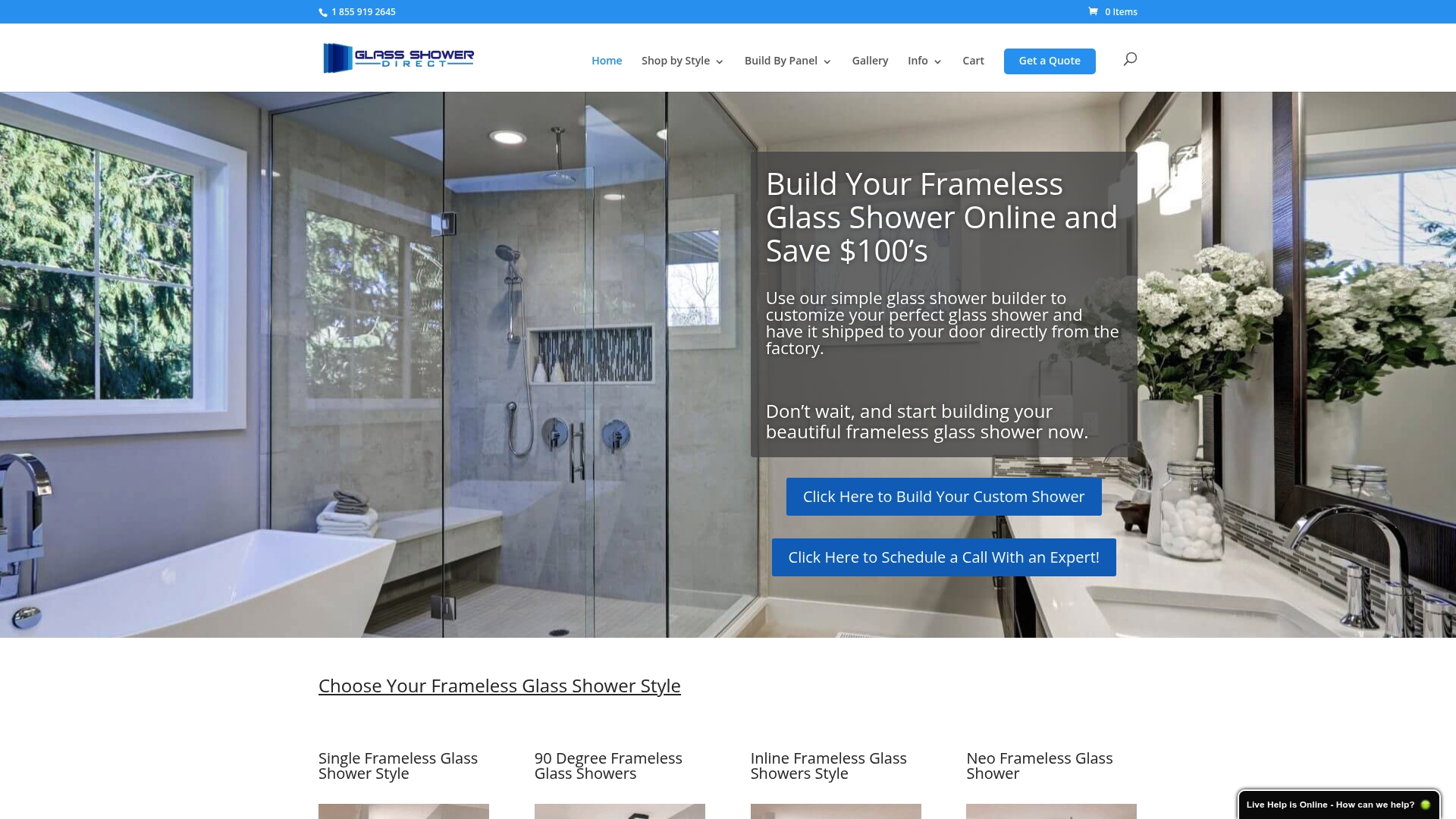
- Choose from Single Frameless Glass Shower Style or Multi-Angle Frameless Glass Shower layouts with matching hardware built in.
- Review essential hardware options before you finalize your finish choice.
- Ordering glass and hardware together removes the guesswork of matching a separately sourced handle to your door.
Start your design at Glass Shower Direct and see your finish options before you check out.
Resources worth checking before you order
A few outside references are worth bookmarking while you plan. The CRL cross-reference guide helps you map finish names across manufacturers so “satin nickel” and “brushed nickel” don’t trip you up. The Spruce’s guide to mixing metals offers pairing guidance grounded in undertone and repetition principles. For installation questions, your trim manufacturer’s own rough-in and valve documentation is the final word on compatibility, and Glass Shower Direct’s installation video is a useful walkthrough if you’re handling the glass side yourself.
Sources
- How to Decorate With Mixed Metals in the Bathroom Like a Designer
- CRL unveils new cross-reference guide
- How to choose hardware finishes in the bathroom
FAQ
Does your bathroom hardware have to match?
No, your bathroom hardware does not have to match exactly. A dominant finish on major fixtures paired with one repeated accent finish on accessories tends to look more intentional than forcing every piece to be identical.
What bathroom hardware finishes are in style?
Matte black, brushed or satin nickel, and satin brass are among the most commonly used finishes in current bathroom designs. Oil-rubbed bronze and polished chrome remain popular as well, particularly when paired with a contrasting accent finish.
What is a timeless finish for bathroom fixtures?
Polished chrome and brushed nickel are often considered the most enduring choices because they’re widely available across trim families and pair easily with other metals. Their neutral, cool undertone also makes them simple to update around as trends shift.
What color hardware never goes out of style?
Chrome and nickel finishes are generally viewed as the most durable style choices because of their long track record and broad compatibility with other fixtures. Matte black has also proven to be a steady neutral that works across a wide range of design styles.
